
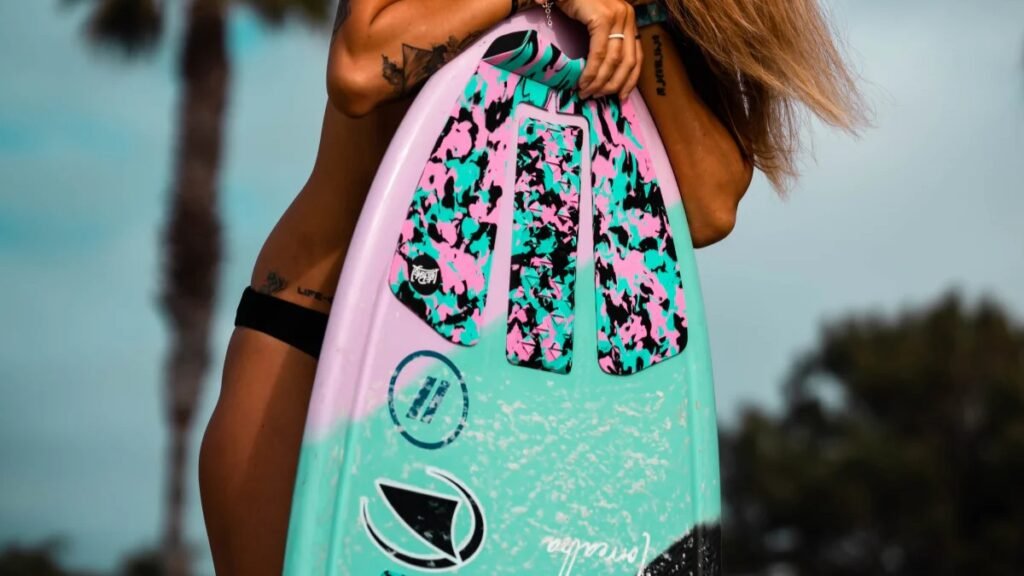
Surf stickers and decals need to do one thing really well. They need to keep looking good after sun, salt, sand, wet hands, coolers, roof racks, and the general abuse that comes with beach gear. That sounds obvious, but a lot of sticker problems are not design problems at all. They are material problems, or placement problems, or the classic mistake of sticking something onto a bad surface and then acting shocked when it peels.
If you are shopping for surf stickers and decals, you are usually trying to solve one of a few jobs. Maybe you want a clean logo on a board. Maybe you want decals for a truck, van, 4WD, cooler, board bag, or water bottle. Maybe you run a surf shop, camp, contest, or apparel brand and need custom stickers to hand out, sell, or pack with orders. Those are all related, but they are not the same use case. And that matters.
At YouStickers, the safest starting point is usually simple. Use durable vinyl, add laminate, choose the right size and shape, and make sure the surface is actually ready for a sticker. Not “looks clean.” Actually clean.
What Surf Stickers Usually Need To Survive
Surf culture gives stickers a harder life than most categories. A laptop sticker mostly sits there and minds its business. A surfboard sticker gets hit with wax, water, friction, sun, sand, and temperature swings. A car decal might live outdoors full time. A sticker on a cooler gets scraped, dragged, and rinsed off. So the first thing to figure out is where your sticker will live.
For most surf-related uses, vinyl is the right place to start. It is a better fit for outdoor handling, water exposure, and daily wear than cheap paper stock. Laminate matters too. It helps protect the print from scuffs, moisture, and fading. In my opinion, this is the part people try to cheap out on, and it is usually the part they regret later.
The good news is that YouStickers keeps the basics pretty practical. Custom stickers are printed on durable vinyl, finished with matte or gloss laminate, and cut to custom shapes and sizes. That gives you room to make small board logos, bold die cut art, clean bumper decals, window stickers, or branded handouts without forcing every design into the same box.
Best Material for Surf Stickers and Decals
If you want the blunt answer, laminated white vinyl is usually the best all-around choice for surf stickers and decals.
Why? Because it is predictable. It gives your artwork a solid base, keeps colors looking clearer, and handles more surfaces without getting weird. If your sticker is going on a board bag, bottle, cooler, laptop, truck window, or a pile of giveaway merch, white vinyl is the low-risk pick. It just works on more stuff.
Clear stickers can still be a smart option, but only when the surface underneath is part of the look. A clear decal on a vehicle window, a glossy bottle, or a smooth storage box can look clean and subtle. But clear material is less forgiving. Background color matters more. Contrast matters more. And if the surface underneath is dark, busy, or textured, the final result may not look the way you imagined on screen.
If durability is your main concern, our post on How to Waterproof Your Stickers is worth reading. The short version is that material and finish matter more than people think. A good laminate does real work.
And if you are not ordering individual stickers at all, but labels for surf wax tins, sunscreen bottles, product jars, or retail packaging, that is a different lane. In that case, roll labels may make more sense than individual decals. Same general idea, different job.
White Vinyl vs Clear Surf Decals
This choice trips people up a lot, so it is worth slowing down for a second.
White vinyl is the practical default. It gives your art an opaque base. Colors stay stronger. Small text stays easier to read. Thin lines hold up better visually. If you want a surfboard logo, a beach illustration, a bold brand mark, or a die cut sticker that looks consistent across different surfaces, white vinyl is the safer move.
Clear stickers are more specialized. They work best when you want the sticker to blend into the surface instead of sitting on top of it visually. That can look great on windows, glass bottles, or smooth metal surfaces. But it also means the material underneath becomes part of the design. That is fine when planned. It is annoying when it is accidental.
So here is the easy rule. If you want bold color and fewer surprises, choose white vinyl. If you want a more subtle printed-on look, clear can be great. If you want a deeper breakdown, Clear Stickers vs White Vinyl Stickers explains the tradeoff in plain English.
For most surf brands, teams, and creators, white vinyl is still the better default. It gives you better consistency across boards, cars, coolers, bottles, laptops, and merch tables. And consistency matters when you are printing more than a tiny personal batch.
How To Apply Surf Decals So They Stay Put
A lot of sticker failures are really prep failures.
On surfboards, the big enemy is wax. Sand and water do not help either. If the area is waxed, damp, dusty, or oily, you are already making life harder for the adhesive. That means the best place for a surfboard decal is a smooth, clean, unwaxed zone. If you are applying to a vehicle panel, bottle, cooler, or window, you want that surface clean, dry, and free of residue before the sticker touches it.
For smooth non-waxed surfaces like glass, metal, and many plastic panels, a lint-free cloth and a light isopropyl alcohol cleaning step can help remove oils and leftover residue before application. Then let the surface dry and apply the decal right away. That part matters. Dust loves a delay.
For surfboards specifically, be a little more selective with placement. Try to avoid spots that get constantly rewaxed or rubbed hard during use. A sticker on a smooth nose area, underside zone, or cleaner section away from repeated abrasion will generally have an easier life than one sitting in the middle of a heavy wax zone. That is not a hard law, but it is a very practical one.
Also, do not rush straight into the water the second you apply it. Give the adhesive some time to settle. And avoid applying stickers in extreme heat or cold if you can help it.
One more thing. A decal can hide a cosmetic patch or old scuff visually, but it is not a repair method. If the board has a real ding or structural issue, fix the board first. Then worry about making it look nice.
Best Shapes and Sizes for Surf Stickers
Size depends on where the sticker is going, but a few patterns show up again and again.
Small die cut stickers, around the 3 inch range, are great for bottles, phone cases, travel mugs, and smaller board or gear branding. Mid-size decals work well on coolers, board bags, and laptop lids. Longer horizontal shapes make sense for vehicle windows, roof boxes, and larger branded gear. If you want the sticker to feel integrated with the art, die cut is usually the right move. If you want something cleaner and simpler for a back window or gear case, a basic shape can still look good.
For surf shops, clubs, shapers, coaches, or event organizers, sticker packs can do a lot of work. They are easy to hand out at events, tuck into orders, sell at the counter, or use as a low-cost branded extra. And because YouStickers offers custom shapes and no minimums, you do not have to commit to a giant run just to test a design.
If you are building out a set, here is a good starting mix:
- A 3 inch die cut for bottles and giveaways
- A 4 to 5 inch version for coolers, board bags, and laptops
- A longer window decal for cars, vans, or 4WDs
- A clear version only if the transparent look is part of the plan
That mix covers a lot without getting too fancy too fast.
Why Custom Surf Stickers Can Be Worth Doing Right
Surf stickers are small, but they travel. They end up on boards, bottles, vans, shop counters, beach coolers, lockers, helmet cases, and random places you did not plan for. That is part of why they work. A good sticker spreads further than you think.
That also means quality matters more than the size suggests. If the print looks weak, the cutline feels sloppy, or the edges start failing too soon, people notice. Maybe not in a dramatic speech kind of way. But they notice.
YouStickers makes sense for surf projects because the process is straightforward. You can order custom sizes and shapes, get a free online proof before printing, and work from durable vinyl with matte or gloss laminate. Orders are produced in-house in Utah, which also makes the proofing and production flow easier to keep consistent. If you are testing a logo, building merch, or printing branded shop extras, that kind of predictability helps.
And honestly, that is usually what people want. Not magic. Just stickers that look right, stick well, and do not give them a dumb surprise a week later.
Final Thoughts
Surf stickers and decals are simple products with a lot of real-world abuse built into the job. The right material, the right finish, and the right placement matter more than trendy design choices. Start with laminated vinyl. Use white vinyl unless you have a clear reason to go transparent. Apply stickers to clean, dry, unwaxed surfaces. And do not treat every surface like it behaves the same.
If you want a custom set for boards, bottles, coolers, vehicles, or shop branding, keep it practical. Choose shapes that fit the art, sizes that fit the use, and material that fits the environment. That is usually the whole game.

