
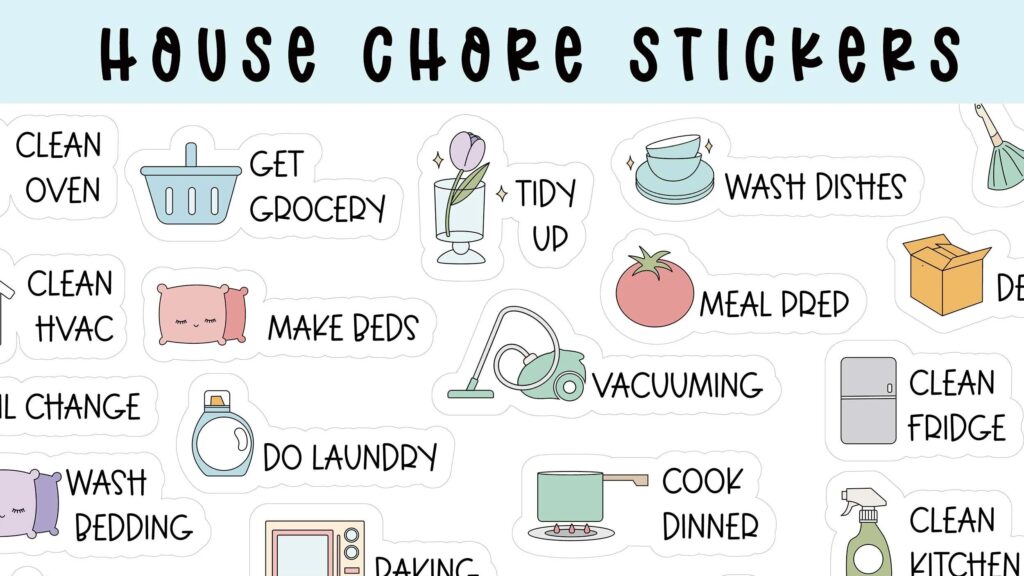
Kids and stickers just work. Hand a child a sheet of stickers and they’ll happily decorate paper, water bottles, and sometimes the dog if you are not careful. In this article, I’ll walk through family-friendly ways to use kids and stickers together for printable activities, chore charts, and simple reward systems.
The goal is not to turn your house into a strict points economy. It’s to use custom stickers—like the ones you can make on YouStickers—to make routines clearer, behavior more positive, and learning a bit more fun.
Why kids and stickers are such a good match
For kids, a sticker is a tiny, instant win. They can see it, touch it, and show it off. That’s the core of positive reinforcement: you do something helpful and get a small, clear reward right away.
Sticker charts and reward systems are used by parents and teachers to help with:
- Daily routines (getting dressed, brushing teeth)
- Chores (cleaning up toys, feeding pets)
- Behavior (kind words, “inside voice,” gentle hands)
- Learning habits (reading time, practice time)
Stickers also make things visual. A young child might not read yet, but they can spot their dinosaur sticker in a box for “brushed teeth.” A colorful chart on the fridge is easier to understand than another long talk about why they need to clean their room.
Printable sticker activities for calm, screen-free time
Printable activities plus stickers give you an easy, low-mess way to keep kids busy. You just print some pages, grab your custom stickers, and you’re ready.
1. Sticker sorting and patterns
Print simple grids or shapes with labels like:
- Colors (red, blue, green)
- Categories (animals, food, vehicles)
- Emotions (happy, sad, excited faces)
Give kids a sheet of custom stickers and have them sort them into the right boxes. This builds:
- Fine motor skills (peeling and placing)
- Early math (sorting, matching, patterns)
- Focus and patience
You can also print pattern strips (circle, square, circle, square) and let them complete the pattern with stickers.
2. Build-a-scene story pages
Print a blank background: a park, space, a bedroom, a city street, or a fantasy world. Then use custom stickers of:
- Favorite characters
- Pets or animals
- Your child as a cartoon or photo cutout
Let your child place the stickers and then tell you what is happening. You can write their story at the bottom of the page. After a while you’ll have a little “sticker storybook” that they helped create.
3. Learning pages with sticker icons
Turn stickers into simple learning tools:
- Alphabet trails: each letter they can name gets a sticker.
- Number lines: put a sticker over every even number or every multiple of 5.
- Simple maps: use a sticker to show where family members live or places you’ve visited.
Smaller sticker sizes work best for charts and worksheets. Ordering sheets of small round or square stickers from YouStickers gives you enough “icons” to last for many different activity pages.
Kids and stickers in chore charts
Now the part parents really care about: chores. A basic printable chore chart plus a stack of custom stickers can save you a lot of nagging.
Keep the chore chart simple
Start with a basic grid:
- Tasks down the left
- Days of the week across the top
For younger kids, pick just 3–5 chores like:
- Brush teeth
- Put toys in the bin
- Put dirty clothes in the hamper
- Put dish in the sink
- Feed the pet
Use simple words and add little icons or mini stickers next to each task so non-readers can understand the chart without asking every time.

Let each child choose their own sticker style
This is where custom stickers shine:
- One kid gets dinosaur stickers
- Another chooses stars and planets
- Someone picks unicorns, sloths, or sports balls
You can even make a small sheet of stickers that look like each child. Keep their sticker sheets in labeled envelopes. When they complete a task, they place “their” sticker in the right box. The sense of ownership makes the chart feel like theirs, not just yours.
Decide what stickers are worth
Stickers should feel like progress, not random decoration. A simple framework:
- 1 completed task = 1 sticker
- 5 stickers in a row (or in a week) = small reward
- Bigger milestones = bigger, but still reasonable, reward
Examples of rewards that work well:
- Choosing a family movie
- Extra bedtime story
- Picking dessert on Friday
- A short one-on-one “date” with a parent
Try to avoid taking away earned stickers. Let them stand as proof of success. When there’s a rough day, you can say, “You had a tough morning, but look at all the stickers from the rest of the week.”
Sticker reward systems that actually help your kid grow
Sticker reward systems are a simple “token economy.” The sticker stands in for a bigger reward later. Used well, they help kids see that small actions add up. Used badly, they can turn every task into “what do I get for this?”
Some guardrails so things stay healthy:
- Pick one or two focus behaviors.
Don’t chart everything at once. Start with what matters most right now: maybe calm mornings, kinder words, or doing homework without a fight. - Keep the first goals small.
For younger kids, aim for short wins—like 3 or 5 stickers—before a reward. As they get older, you can stretch goals out longer. - Pair stickers with specific praise.
Instead of just “good job,” try “you fed the dog without being asked, nice work being responsible.” The praise helps them connect the good feeling to the behavior itself, not just the sticker. - Gradually fade the chart.
Once a habit feels pretty solid, you can give stickers less often and rely more on simple praise. Eventually you can retire that chart and move on to something else. - Focus on experiences over stuff.
When you can, use family time as the reward—board games, park trips, baking, reading together. It keeps the system about connection, not just prizes.
Printable ideas by age
Every kid is different, but these are starting points that work well for many families.
Toddlers and preschoolers
- Simple routine charts (morning, bedtime)
- Potty training charts with cute themed stickers
- “Kind hands” or “gentle with pets” pages where they add a sticker each time they remember
Charts at this age should be short, bright, and mostly about noticing success, not fixing every problem.
Early elementary
- Weekly chore charts with 3–7 tasks
- Reading logs where each 10 or 15 minutes gets a sticker
- Homework-start charts that give a sticker when they sit down and begin without a meltdown
You can also print a “goal ladder” that climbs toward something fun, like going out for ice cream or a small family outing.
Tweens
Older kids may roll their eyes at cartoon stars, but they still like tracking progress. For them, stickers can feel more like icons on a scoreboard:
- Habit trackers for music practice, exercise, or screen time limits
- Savings trackers where a sticker marks each step toward something they’re buying themselves
- Project boards for school assignments with checklists and milestones
Here, the system is more about self-management than “be a good kid for a prize.”
Using custom YouStickers designs without making it a big production
You do not need a label studio in your house to start. A printer, a few simple chart templates, and some custom stickers are enough. But letting kids help design the stickers can make them care more.
A simple flow:
- Sit together and pick a theme for their stickers.
- Let them draw little characters or pick images on a tablet.
- Upload the designs to YouStickers and choose sizes that fit your charts.
- When the stickers arrive, build one or two charts together. Explain how they work, and keep it simple.
If you end up with more stickers than you’ll use on charts, store them in a small binder, box, or photo album so they stay flat and clean. Kids can use extras for craft projects, notebooks, or just decorating their stuff.
Wrapping it up
At the end of the day, kids and stickers are just fun. Printable activities, chore charts, and reward systems are a way to use that fun to make life a bit smoother.
Instead of endless reminders and arguments, you can point to a chart and say, “Let’s see how many stickers you earned today.” With a few custom sticker sheets from YouStickers and some simple pages from your printer, you can build routines, support good habits, and still keep things light.
Start small. One chart, one habit, one sheet of stickers. If it makes mornings, bedtimes, or homework even a little easier, that’s a win.
